
Shapeshift Jev UI
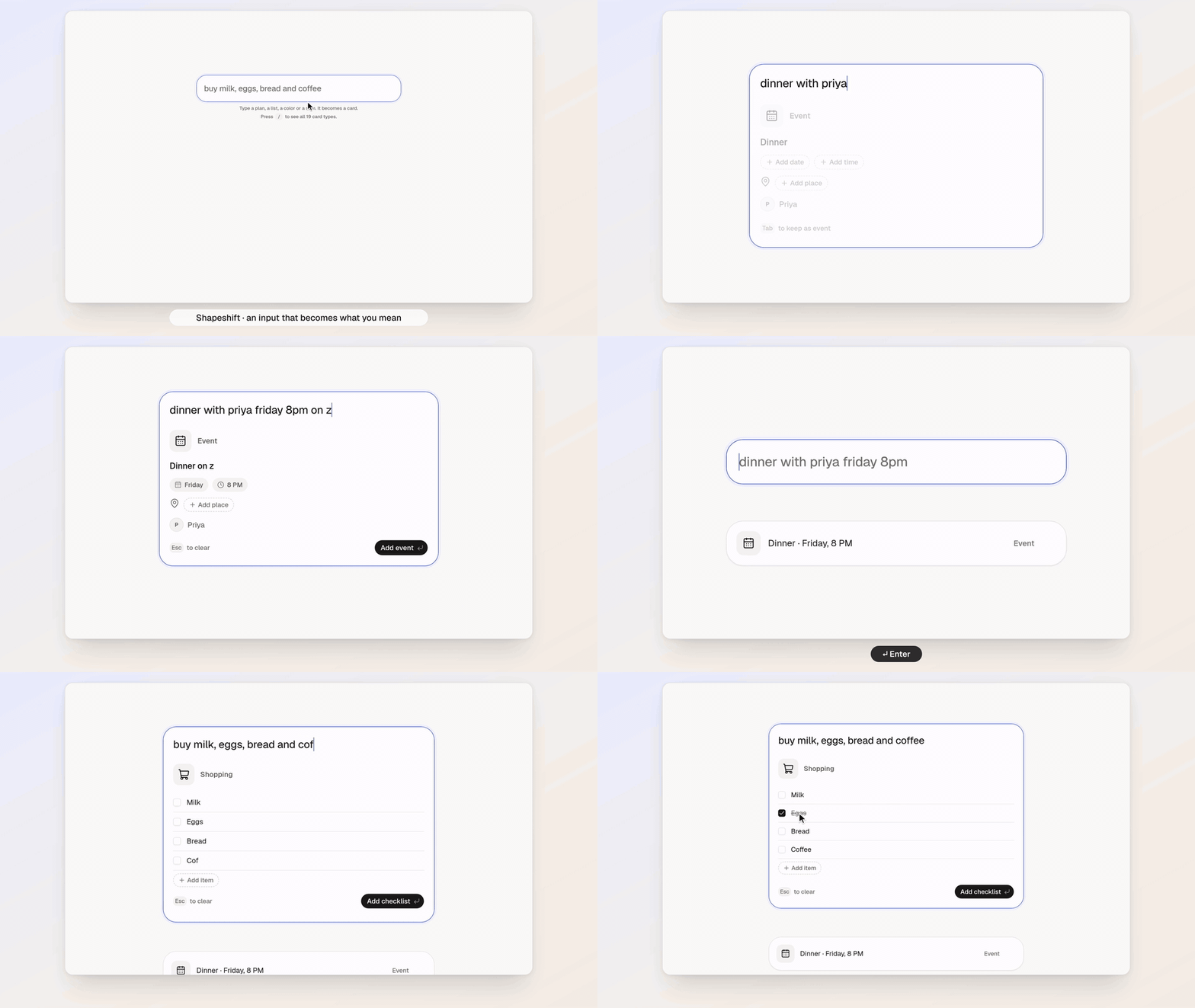
An input field turns natural language into structured interface cards through parallel typed decisions.
Added to Jevfast
An input field turns natural language into structured interface cards through parallel typed decisions.
Shapeshift sends the user's text as state and asks Jev 14 typed questions in parallel, including which UI intent fits. It reads the typed answers into an intent and signals object, while deterministic code handles extracted values such as dates, amounts, and calculations; an offline keyword classifier is available by default.
What is the person trying to create with this text?
The user's input text is sent as state.text. This intent question is one of 14 parallel typed questions in a single System One request.
Send the text through one System One call containing the shared question set, and measure latency.
Convert the intent Choice, Score values, and Noul signals into the classification result returned to the interface.
Use the classification to select an interface card while deterministic code handles values; a built-in offline keyword classifier is available when online Jev is not used.
The project uses one Jev call to choose a UI shape and several related signals, while leaving exact value parsing and computation deterministic. This creates a morphing text input without making Jev responsible for every downstream detail.